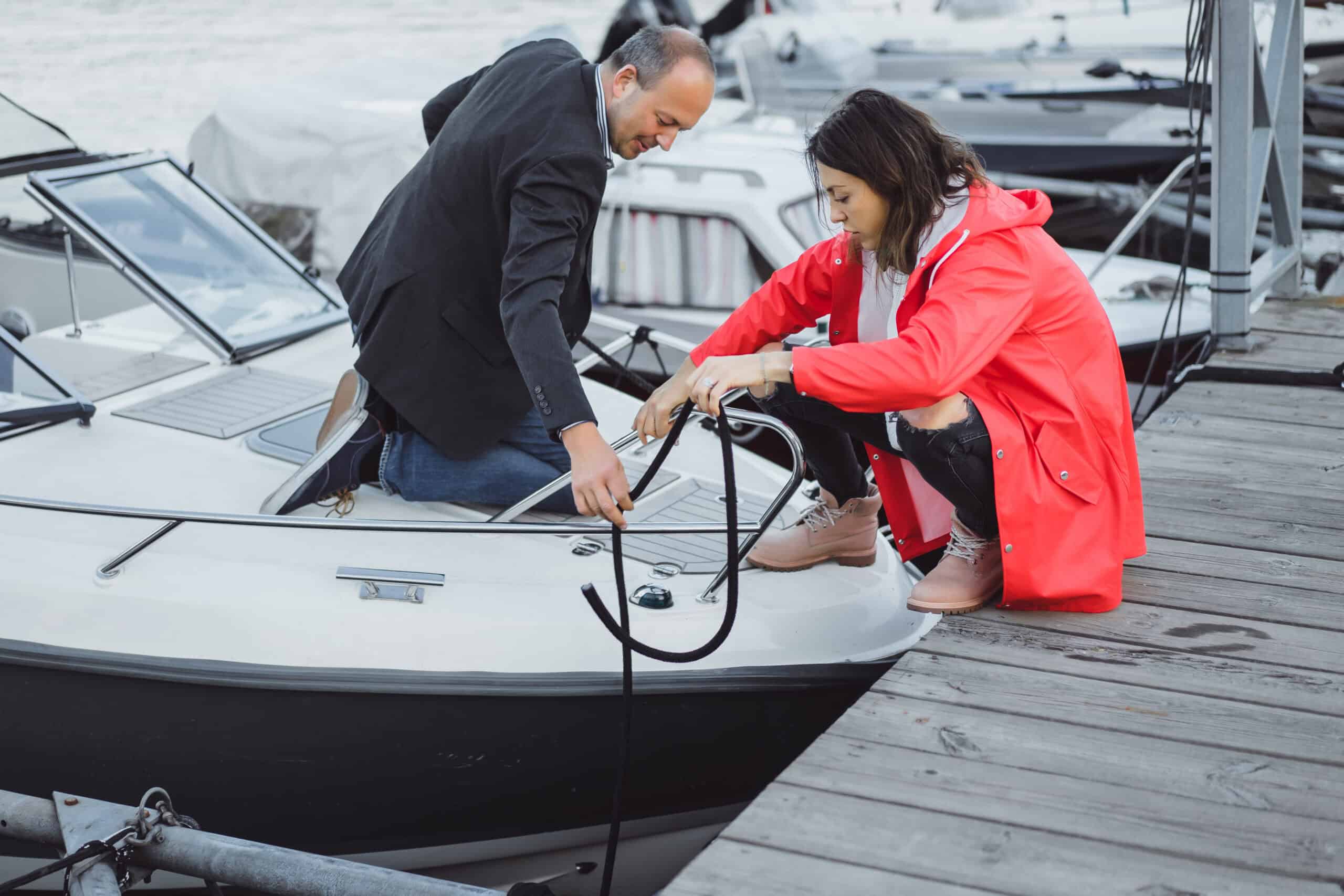
I was hesitant, at first, to write about tying knots. I feel like knots are something to be practised and are hard to describe. I then found myself googling certain knots as I’m trying to get better at them. There are about as many techniques to tie a bowline as there are people in this world but I thought I could also share the history behind the knot and why sailors love it so much.
Some History
As I like to say, sailors have named things in very simple ways because you don’t need to be smart to sail or at least not book smart (I’m still trying to understand the Latin names to the fauna and flora). The original use of this knot was to tie the sails of a square-rigged ship to the bow and avoid them from flipping around. In today’s world, we call this line a preventer and use it to avoid the boom crashing from one side to the other when going downwind.
Using It
To properly use this knot, it must be under tension. Its biggest downside is that it can loosen when not under load. On the other hand, it is great because no matter how much load it goes under, it is extremely easy to break apart once the load is removed.
Tying the Knot
1
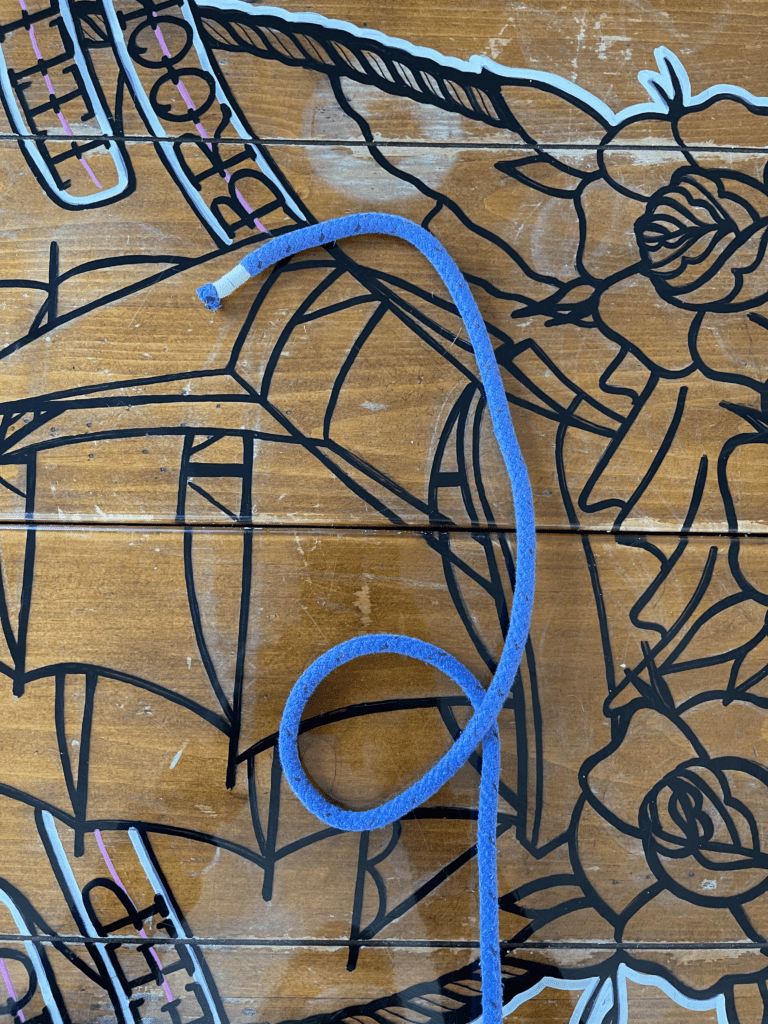
Make an inverted 6
2
Bring the rabbit out of the hole
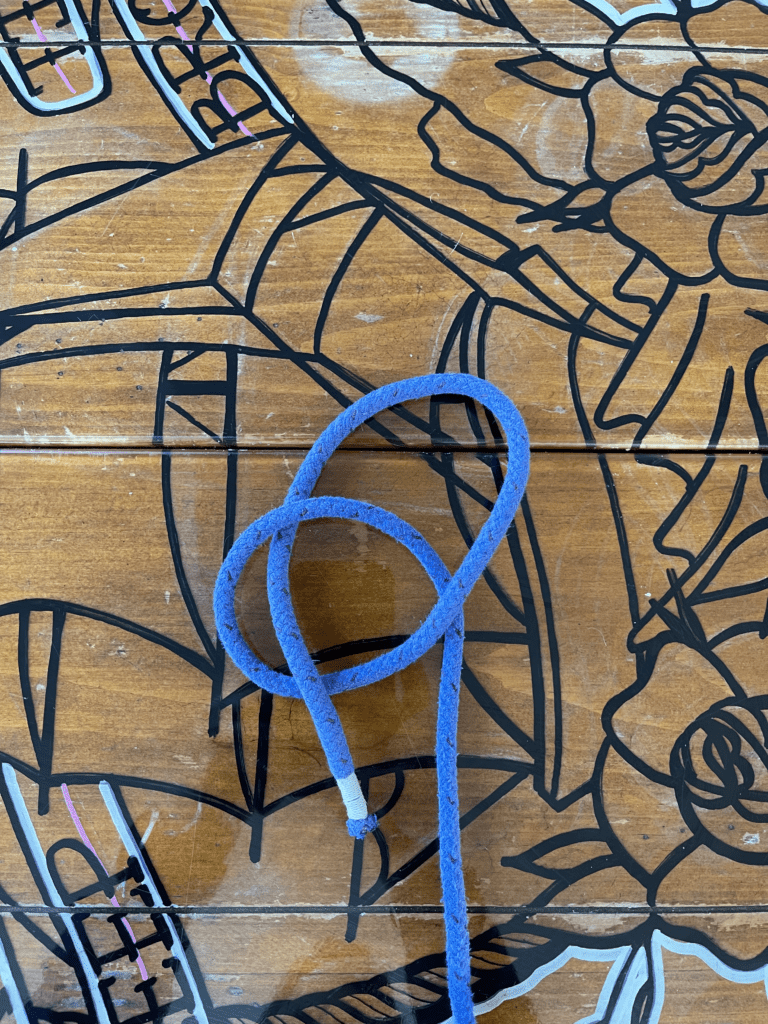
3
Send it around the tree

4
Put it back in its hole

5
Pull tight
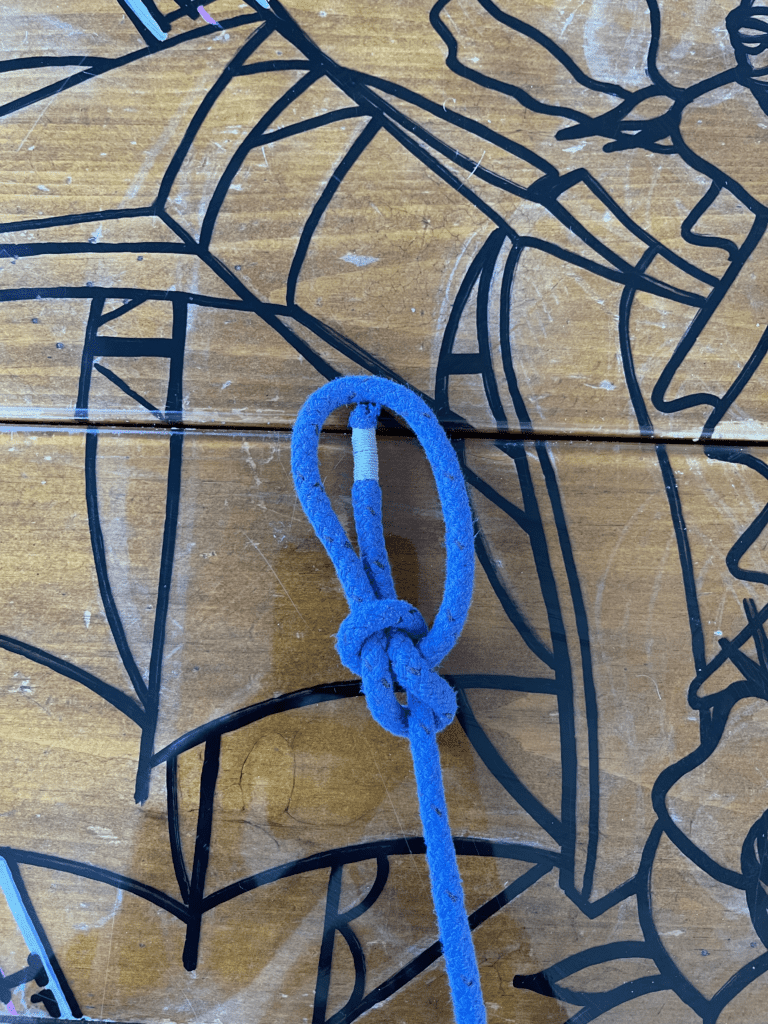
The trick to knowing if your bowline is properly tied is it looks like an upside-down life jacket. If you want to see more content about knots and you like TikTok, follow me!